How dry ice blasting works
Solid CO₂ pellets, fired with compressed air, clean metal, plant and masonry without abrasion, water or residue. This is what happens at the surface, and why it works.
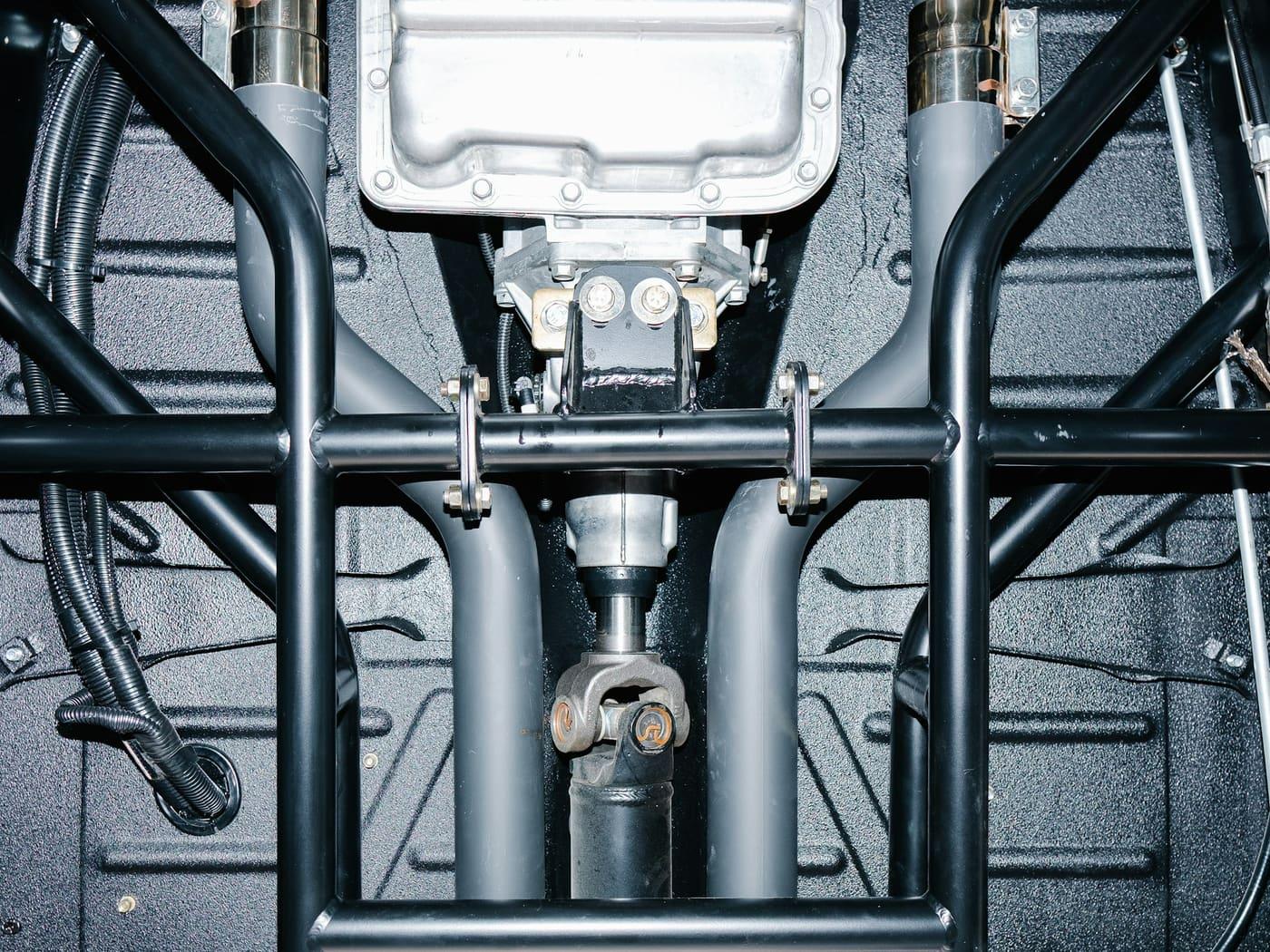
Three things happen in the moment a pellet strikes the surface.
The cold
At −78.5 °C, the pellets chill the dirt faster than the surface beneath; the thermal shock makes it brittle and cracks its bond.
The impact
Compressed air, typically at 5 to 7 bar, fires 3 mm pellets about as hard as chalk at the brittle layer.
The gas
Each pellet turns straight to gas and expands several hundred times, lifting the loosened dirt off the surface.
No water to dry, no grit to sweep up and no chemical to rinse off.
Why we’re called Triple Point
A triple point is the one temperature and pressure at which a substance’s solid, liquid and gas phases coexist in equilibrium. Carbon dioxide’s lies above normal air pressure, which is why dry ice never melts.
- −56.6 °C, 5.18 bar
- The triple point of carbon dioxide, about 5.1 times atmospheric pressure. Only here do solid, liquid and gaseous CO₂ coexist.
- 1.01 bar
- Atmospheric pressure at sea level. It is below the triple-point pressure, so CO₂ cannot exist as a liquid in open air.
- −78.5 °C
- The sublimation point at atmospheric pressure, where dry ice turns directly from solid to gas, with no liquid stage.
The benefits of dry ice blasting
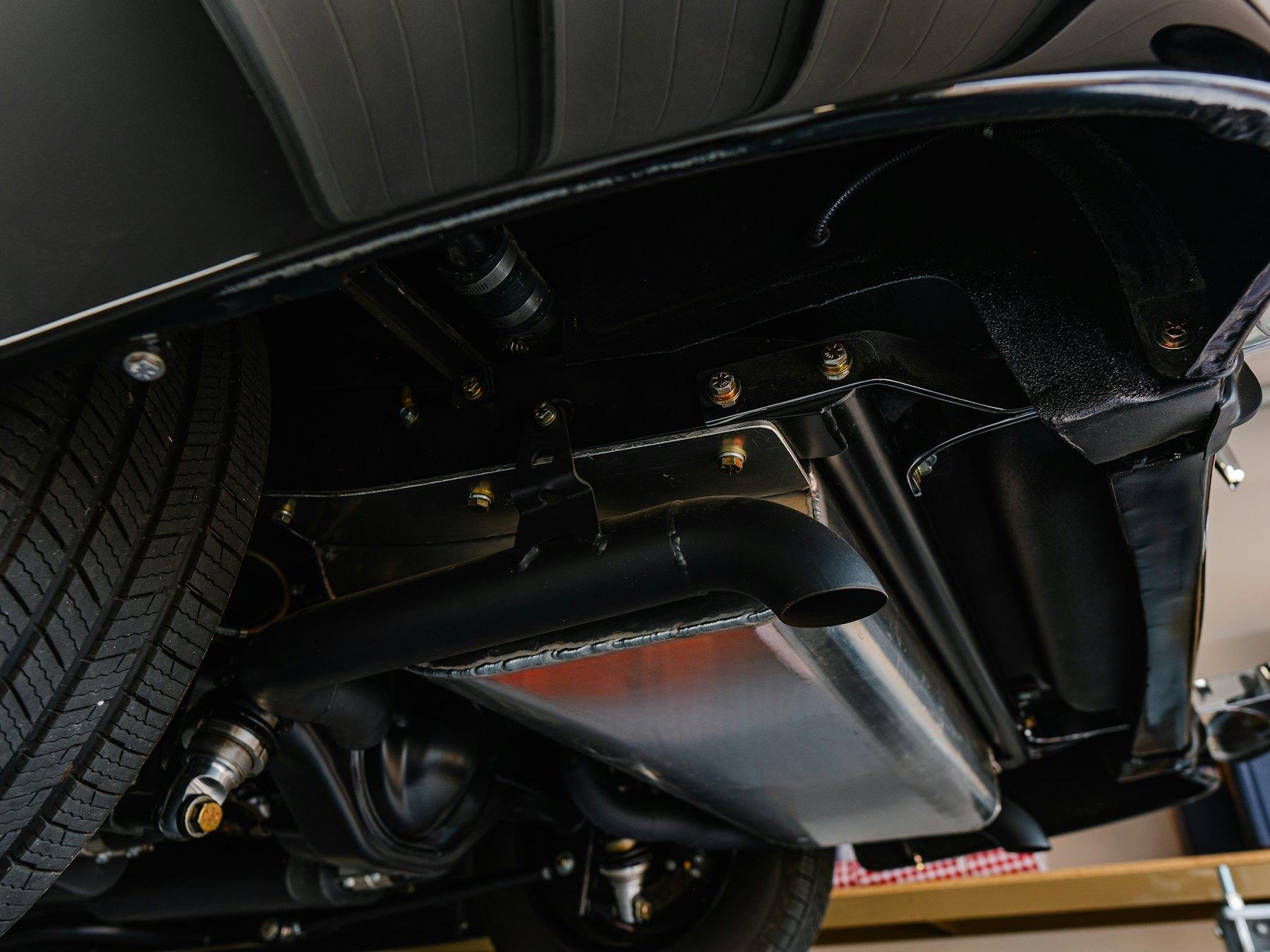
Why it suits classic cars, engine bays and machinery better than water or abrasive media.
Non-abrasive
Lifts dirt without wearing metal, paint or rubber, so factory markings and casting textures survive.
Moisture free
No water is used, so nothing is trapped in seams, box sections or connectors.
No chemicals or residue
No grit, soda or solvent is left to work into crevices, bearings or seals.
Safe near electrics
Nothing conductive is left on wiring looms, sensors, alternators or control boxes.
Less waste
No wastewater or spent media to dispose of, and the CO₂ is a by-product recovered from other industries.
Access to tight spaces
Reaches behind brackets, inside arches and around suspension, where a brush or jet wash cannot.
FAQ
If your question is not answered here, ask in the quote form or call us.
It depends on the vehicle, machine or area, the contamination, any existing coatings, access and travel. The quote form asks for each, so the quote reflects your job.
Sand and grit are abrasive and leave media to clear. Soda is gentler but leaves a residue to rinse off, and pressure washing adds water. Dry ice is non-abrasive and dry, though it gives paint no key.
Standard 3 mm pellets shift heavy grease, old underseal and baked-on dirt; finer shaved ice suits electrical insulation and delicate parts. Pressure, ice feed and nozzle are set for each surface.
Sound paint, metal, rubber and most plastics are unharmed, and we reduce the pressure for delicate areas. Paint that is already flaking, often around rust, may lift with the dirt.
No. It exposes rust so it can be dealt with properly: loose, flaking rust comes away, but bonded rust remains.
Yes, once the equipment is isolated. No water is used and nothing conductive is left behind, which is why it suits engine bays, motors and control panels.
Yes, with ventilation. CO₂ gathers low down in enclosed spaces, so we ventilate the area, keep others out while we work and stay within the HSE workplace limits.
It leaves no water or chemical on ovens, conveyors or moulds. It cleans but does not disinfect, so your usual sanitation step still follows.
It depends on the size of the job and how heavy the contamination is, so we give an estimated time with every quote.
Hardstanding, room to work around the vehicle or machine, and any electrics isolated. CO₂ displaces air, so sheds and barns need good ventilation.
Anywhere in the UK. Give the address in the quote form and travel is included in the quote.
Often. Describe it in the quote form, with photographs, and we will tell you whether dry ice suits it or another method would do better.
Tell us what needs cleaning
Answer a few short questions about the vehicle or machine and where it is kept. We reply with a recommendation and a quote within two working days.